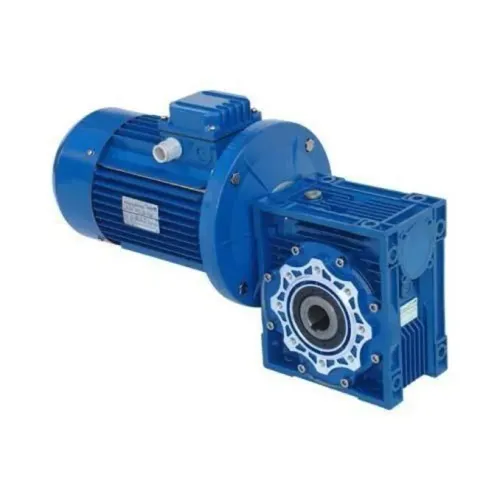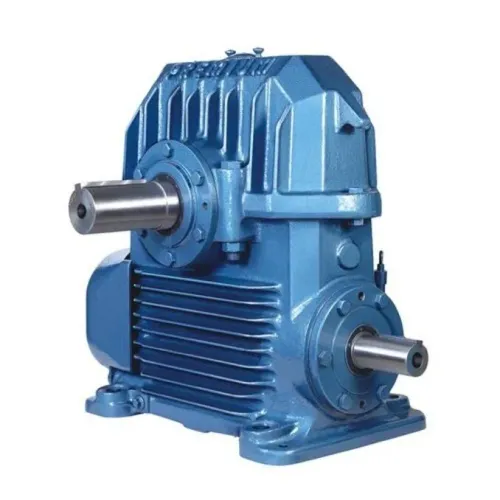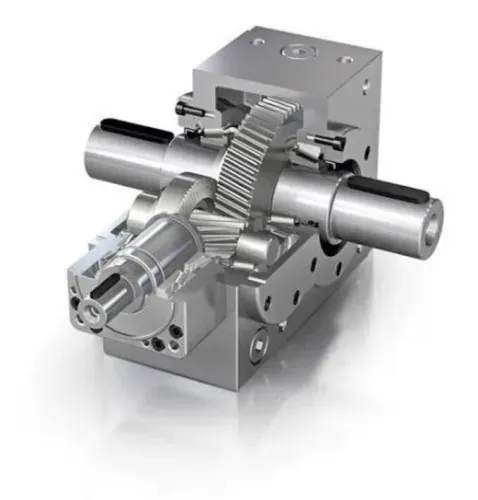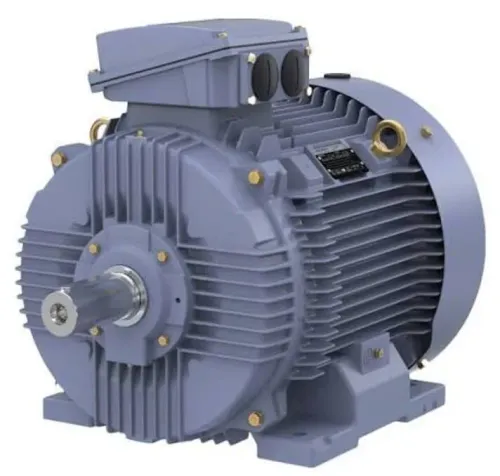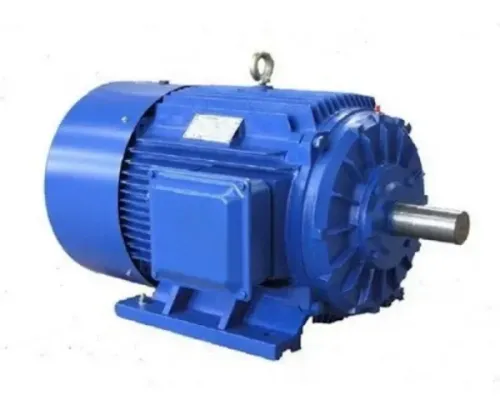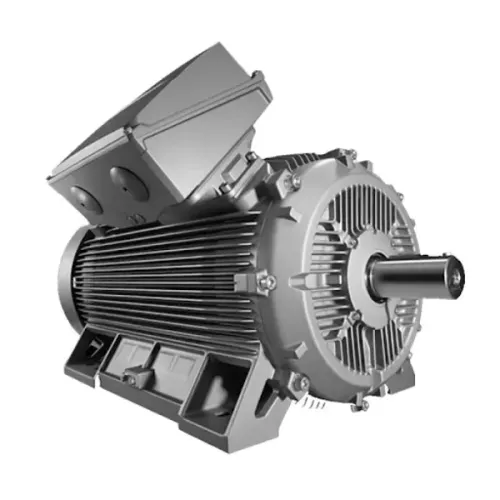
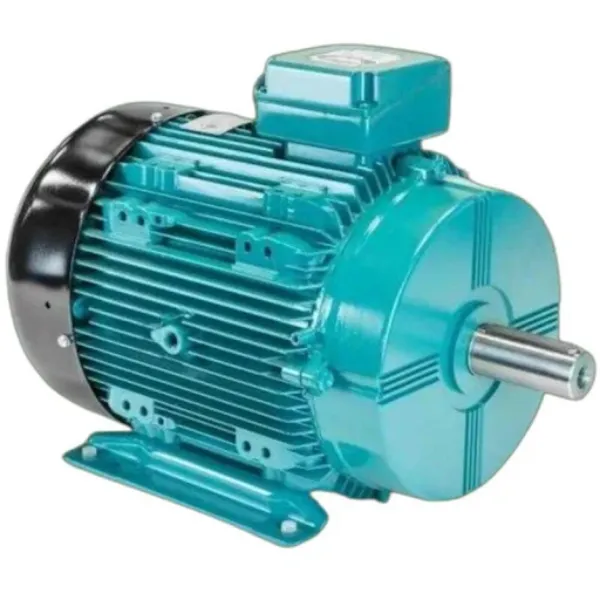
When an industrial motor requires replacement, procurement teams may naturally begin by looking at the kW rating printed on the existing nameplate. While power is essential, it is only one part of motor compatibility. A Crompton Greaves Electric Motor should be evaluated across electrical, mechanical, environmental, and operational parameters before installation.
For industrial businesses in Udumalpet, Tamil Nadu, this approach can be useful when maintaining pumps, textile equipment, agricultural processing machinery, compressors, conveyors, and general manufacturing systems.
Frame Compatibility Can Prevent Installation Problems
Two motors with the same output power are not automatically mechanically interchangeable.
Before purchasing a replacement, check:
- Frame size
- Mounting arrangement
- Shaft diameter
- Shaft length
- Foot dimensions
- Flange dimensions where applicable
- Terminal box position
A mismatch can require additional fabrication or coupling changes and may extend equipment downtime.
Speed Must Match the Machine
Motor speed directly influences the driven equipment.
Installing a motor with an inappropriate rated speed can change pump flow, fan performance, conveyor speed, gearbox input conditions, and overall machine behaviour.
Engineers should confirm rated RPM, number of poles, supply frequency, and any speed-control arrangement before selecting the replacement.
Understand the Actual Load
A motor should be sized according to the mechanical load rather than selected with an arbitrary safety margin.
Persistent underloading can reduce the economic advantage of an oversized motor, while insufficient capacity can cause overheating, overload trips, and poor performance.
Load characteristics also matter. Conveyors, crushers, mixers, pumps, and fans can require very different starting and operating torque.
Duty Cycle Changes Motor Requirements
Not every motor operates continuously.
Some machines run around the clock, while others start repeatedly or operate for short periods. Frequent starting can increase thermal stress because starting current is significantly higher than normal running current.
The motor duty and expected starts per hour should therefore be considered when the application involves repeated cycling.
Efficiency Should Be Evaluated Practically
Electricity consumed during years of operation can exceed the initial purchase cost of many industrial motors. Efficiency can therefore have a meaningful effect on lifecycle expenditure.
The benefit is most relevant where motors operate for long hours at useful loads.
Rather than evaluating efficiency as a marketing specification, calculate it alongside annual operating hours, loading, electricity tariffs, and expected service life.
Installation Conditions Matter
Dust, heat, moisture, restricted airflow, and other site conditions influence motor reliability. Appropriate enclosure protection and cooling should be selected according to where the motor will actually operate.
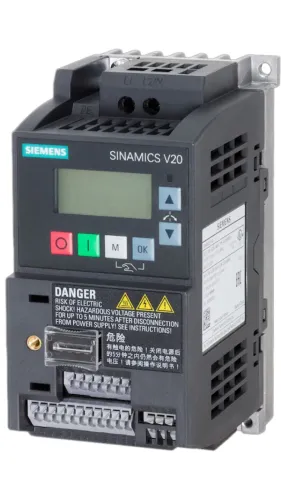
Facilities around Udumalpet should also check whether the motor is being connected directly, through a starter, or through a VFD because the control arrangement may affect selection.
Perfect Engineering Solutions assists industrial customers with electric motors, drives, gearboxes, panels, and power transmission requirements. When evaluating a Crompton Greaves Electric Motor, supplying complete existing motor nameplate information and details of the driven machine helps avoid decisions based on kW alone.
A suitable industrial motor is one whose mechanical fit, electrical rating, torque, speed, efficiency, duty, and operating environment collectively match the application. Checking these parameters before procurement can reduce avoidable modifications and support more dependable equipment operation.
Keywords