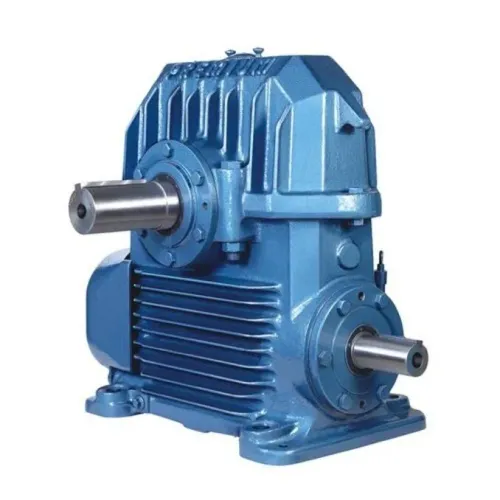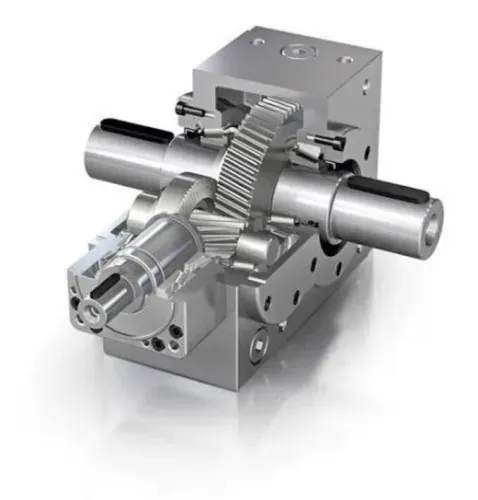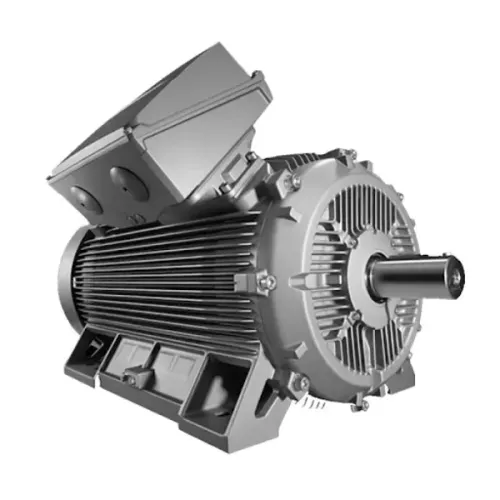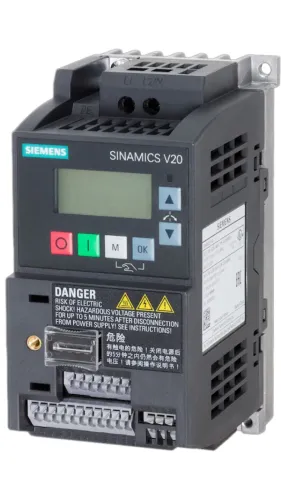
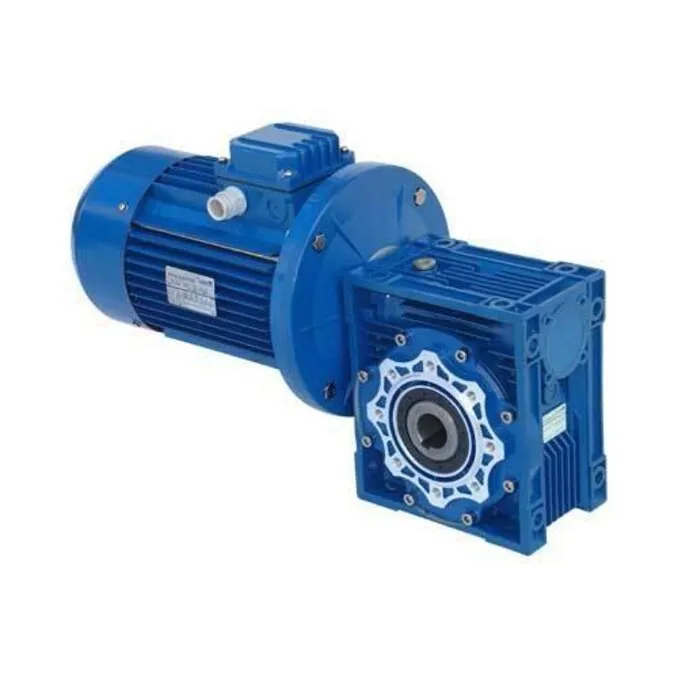
A conveyor drive cannot be selected from motor kW or gearbox output RPM alone: belt speed, starting torque, heat, shaft loads, stopping behaviour and the installation environment all change the answer. By the end, you will be able to calculate the drive requirement, reject unsuitable worm gearing, compare reducer types and prepare a purchase specification that a supplier can verify.
Key takeaways
- Convert output RPM into belt speed using pulley diameter.
- Check running torque, starting torque, service factor and thermal capacity.
- Match reducer ratio, shaft arrangement, mounting and motor interface before ordering.
- Record nameplate data and measure the existing drive before replacement.
How worm geared motors drive different conveyor types
A worm geared motor converts motor speed into usable conveyor movement through reduction. Output shaft RPM equals motor RPM divided by gearbox ratio: 1,440 RPM ÷ 16 = 90 RPM. That 90 RPM is not belt speed.
Belt speed = π × pulley diameter × shaft RPM ÷ 60; with a 0.2 m pulley, 90 RPM produces 0.94 m/s.
1. Match the output to the conveyor element. A belt conveyor geared motor uses pulley circumference; a roller conveyor drive uses the driven roller diameter and roller contact with the load.
A screw conveyor worm gearbox uses screw pitch and output RPM to determine conveying rate, while a chain conveyor motor drive speed calculation uses sprocket circumference and chain pitch.
2. Calculate tangential force before choosing torque. Separate steady running force from acceleration force and incline force: friction is approximately μmg cosθ, incline force is mg sinθ, and acceleration force is ma.
Add chain or screw resistance, product accumulation, belt and pulley inertia, and breakaway force for a loaded start; represent rotational inertia as Iα, or equivalent mass I/r². Then calculate shaft torque as total tangential force ÷ pulley radius.
3. Confirm the mechanical arrangement. Pulley diameter, conveyor layout, load distribution, rotation direction and output-shaft arrangement determine speed, radial load and torque. A distant pulley or sprocket also creates overhung load, which torque rating alone does not cover.
How to check torque, service factor and thermal capacity
1. Start with a worm gearbox output torque calculation for three conditions: continuous running torque, breakaway torque at a fully loaded start, and loaded acceleration torque. Add jam-clearing torque separately; a reducer that carries the belt once moving can still fail when accumulation, friction or a blocked conveyor demands a sharp torque surge.
2. Choose the conveyor service factor from actual duty, not a universal multiplier. Match it to starts per hour, reversing, shock loading, product accumulation and impact. Frequent plugging can damage worm teeth, shafts and couplings through repeated shock and thermal cycling.
3. Confirm both the reducer’s mechanical output-torque rating and its rated thermal capacity at the intended ratio and speed. High ratios, low output speed, poor ventilation and hot surroundings can make heat the limit before tooth strength is reached.
4. Check worm gear efficiency and heat generation, because sliding between the worm and wheel turns more input power into heat than an inline helical or bevel-helical reducer at comparable output duty. Verify lubricant temperature, housing temperature and cooling limits; for a 55°C ambient, obtain the manufacturer’s derating, ventilation requirement and allowable-duty figures.
5. A worm unit suits a compact right-angle layout, high reduction in one stage, quiet running and selected non-backdriving arrangements. High-duty-cycle or high-speed conveyors, frequent reversing, regenerative overhauling loads, severe heat and high-efficiency requirements favour another reducer.
6. Never treat self-locking as guaranteed. Non-backdrivability depends on load, lead angle, lubrication and wear, and neither feature replaces a rated external brake or backstop on an inclined or vertical conveyor.
How to compare reducer types and specify the drive interface
Choose a worm unit only after comparing rated efficiency at the intended ratio and load, not motor kW alone. A worm versus helical geared motor decision also depends on heat, torque, backlash, noise and maintenance.
| Type | Efficiency and thermal capacity | Footprint and output torque | Backlash and noise | Cost and maintenance |
|---|---|---|---|---|
| Worm | Lower efficiency; heat can limit continuous duty | Compact right-angle form; moderate torque | Higher backlash; quiet | Lower purchase cost; check lubricant and temperature |
| Inline helical | Higher rated efficiency; strong thermal margin | Longer inline body; high torque | Low backlash; moderate noise | Higher cost; routine maintenance |
| Bevel-helical | High efficiency; suits continuous duty | Compact right-angle form; high torque | Low backlash; moderate noise | Higher cost; inspect bearings and seals |
| Planetary | High efficiency and torque density | Short, compact body; very high torque | Low backlash; noise depends on design | Highest cost; precise maintenance |
For any option, request allowable radial and axial shaft loads, the overhung-load limit at the actual pulley or sprocket distance, rated duty, thermal rating, service factor and dimensional drawings. Specify keyed or hollow-bore output, shrink disc, torque arm, flange or foot mounting, coupling, pulley, shaft diameter, keyway, available space and shaft alignment.
A planetary gearbox conveyor application differs from a servo-connected worm gearbox: positioning, feedback, reversing, torsional compliance, duty cycle and backlash and repeatability require application-specific figures. Positional accuracy means little without backlash and repeatability data. An aluminium housing proves nothing; verify output torque, bearing loads, thermal rating, environment, mounting position and allowable temperature.
Catalogue efficiency claims must show rated-duty figures.
How to install, protect and commission a conveyor geared motor
Send the supplier the missing duty data: duty cycle, starts per hour, rotation, load inertia, ambient temperature, dust or washdown exposure, mounting position, radial and axial loads, brake requirement and supply frequency. Torque alone cannot size the unit.
1. Complete the conveyor gearbox installation and commissioning with the correct mounting position, shaft alignment, belt tension and supported overhung load. Check hollow-bore fit, key or shrink-disc tightening, torque-arm restraint and coupling placement; never tighten a coupling on the wrong shaft surface.
2. Specify motor overload protection with an overload relay or electronic overload set to the motor nameplate current. Add phase-loss protection, protective earthing and a lockable isolator rated for the motor’s starting and fault current.
3. For a VFD worm geared motor setup, enter motor voltage, base frequency, rated current and acceleration and deceleration times. Set current limit and verify low-speed operation: a standard fan-cooled motor loses cooling at low frequency, requiring derating, an independent blower or an inverter-rated motor. Above base frequency, torque falls.
4. Verify worm gearbox lubrication: oil type, viscosity, fill level, breather position and seal compatibility for the actual orientation. Inspect seals, run the drive through its break-in period and follow the manufacturer’s oil-change interval; blocked ventilation and wrong orientation cause overheating or leakage.
5. Commission in sequence: confirm rotation, no-load current, loaded current, temperature, noise, vibration, leakage and emergency-stop behaviour.
6. Diagnose trips, overheating, slow belts, back-driving, noise, oil leaks or output-shaft play by checking load, settings, brake, lubrication, alignment and bearing condition.
How to turn the conveyor requirement into a purchase and replacement specification
Send a dealer a complete worm geared motor purchase specification, not just motor power. Include:
- Conveyor type, belt or shaft speed, pulley diameter, conveyed mass, incline, friction estimate, acceleration time, breakaway torque, continuous torque, starts per hour, reversing and inertia.
- Ambient temperature, enclosure or washdown conditions, mounting position, supply voltage and frequency, VFD use, brake or backstop need, radial and axial shaft loads, available space and required stopping time.
Ask these industrial motor dealer questions: provide the worm gearbox datasheet and warranty, rated torque at the intended ratio and speed, mechanical and thermal ratings, efficiency at rated duty, service-factor basis and allowable overhung load. Also request motor terminal configuration, mounting dimensions, shaft diameter, keyway, brake details, spare seals, lubricant requirements and delivery time.
| New order | Confirm before purchase | Failure if missed |
|---|---|---|
| New conveyor | Duty, loads, dimensions and stopping time | Undersized drive or incompatible mounting |
| Replacement | Nameplate, ratio, shaft, keyway, flange or foot pattern, hollow bore, brake, terminal links and rotation | Rework, wrong rotation or bearing damage |
| Catalogue figure | Treat 0.37 kW, 90 RPM or 350 Nm as a reference | A running conveyor that cannot start loaded |
For replacement work, complete the gearbox replacement checklist before dismantling; photograph the nameplate and terminal links, measure mounting and shaft details, and record rotation. A hollow-bore unit also needs the correct shaft fit, key or shrink-disc connection and torque-arm restraint.
After fixing the criteria, Perfect Engineering Solutions can compare worm geared motors, worm gearboxes, VFD drives and alternative geared-motor types against verified requirements rather than a catalogue number alone.
Related products
 | Geared Motor ₹8500 Power 0.37 KW Rated Speed 90 RPM Phase Three Phase Usage/Application Conveyors Voltage 415 Mounting Flange Mounting Number Of Poles 4 Poles Country... View product → |
 | WORM GEARBOX ₹100000 PERFECT ENGINEERING SOLUTIONS WE HAVE WIDE RANGE PRODUCTS OF MOTOR, GEARBOX, PUMPS , VFD DRIVES , CABLES, ETC... View product → |
Frequently asked questions
How do you calculate conveyor belt speed from a worm geared motor?
Calculate output shaft speed from motor RPM divided by gearbox ratio, then convert shaft speed and pulley circumference into belt speed.
What must you check before selecting a worm geared motor for a conveyor?
Check running and starting torque, service factor, thermal capacity, output speed, duty cycle, load direction and mounting arrangement.
How do worm gear reducers compare with other reducer types?
Worm reducers offer compact right-angle transmission and high reduction in one stage, while helical, bevel and planetary reducers can provide higher efficiency or greater load capacity.
What information belongs in a conveyor geared motor replacement specification?
Record motor power, voltage, frequency, RPM, gearbox ratio, output shaft size, mounting dimensions, shaft orientation, brake requirements and operating conditions.
Related products
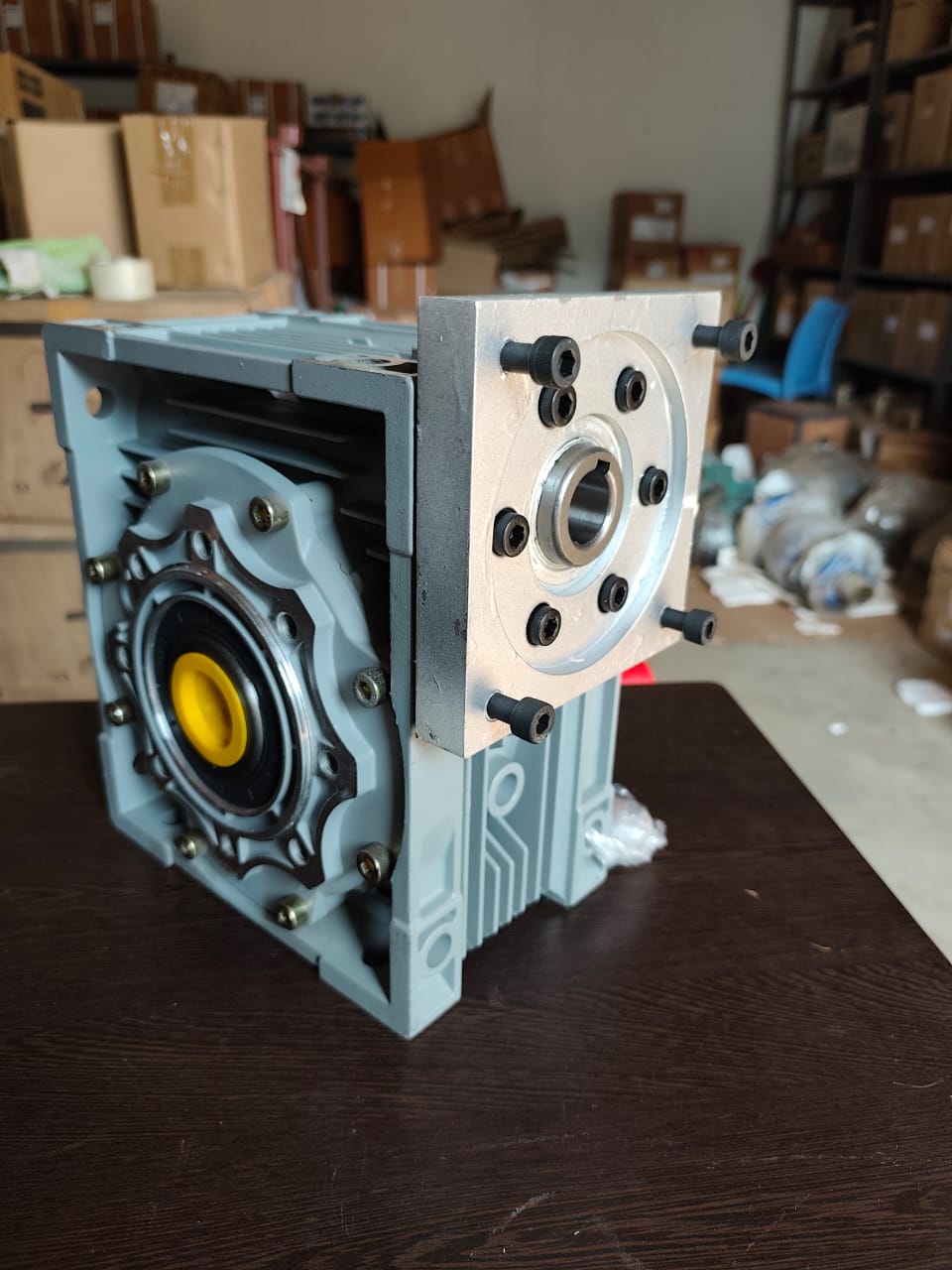 | SERVO MOTOR CONNECTED WORM GEARBOX SERVO MOTOR CONNECTED WORM GEARBOX ₹18000 servo gearbox is a precision-engineered gear system designed to work with servo motors, enhancing torque output while maintaining high positional... View product → |
 | Electric Motor ₹5100 Gear Type Worm Material Aluminium Orientation Horizontal Mounting Flange Output Torque 350Nm Input Speed 1400 rpm WORM GEARBOX W SERIES... View product → |
 | Geared Motor ₹12500 Perfect Engineering Solutions - Trader-Retailer of Geared Motor, Electric Motor & vfd Drive Since 2013 in Coimbatore, Tamil Nadu. View product → |