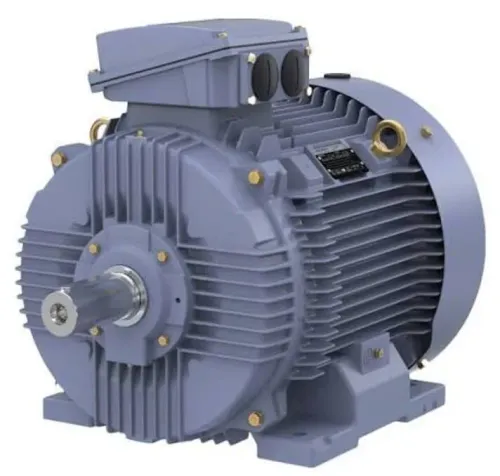
Industrial motor procurement affects more than the purchase budget. An incorrectly specified motor can create installation modifications, commissioning delays, inefficient operation, and recurring maintenance issues. Buyers evaluating Kirloskar Electrical Motors should therefore confirm both technical and application requirements before finalizing an order.
For engineering companies and manufacturing facilities in Krishnagiri, Tamil Nadu, a structured buying process can be especially useful when motors are required for production equipment, pumps, fans, conveyors, compressors, and process machinery.
Collect Complete Motor Information
For replacement projects, start with the existing motor nameplate.
Record details such as:
- Rated kW
- Voltage
- Current
- Frequency
- RPM
- Efficiency class
- Frame size
- Mounting
- Duty
- Insulation class
- Enclosure protection
Photographs of the nameplate and mounting arrangement can also help procurement and engineering teams communicate requirements accurately.
Confirm the Driven Application
Two motors with identical kW ratings may face completely different loads.
A fan typically has different starting characteristics from a loaded conveyor. Mixers, crushers, pumps, compressors, and machine tools also impose different torque and duty requirements.
The purchasing specification should therefore identify the driven equipment rather than treating the motor as an isolated item.
Check Physical Compatibility
Mechanical mismatches are a common source of avoidable installation work.
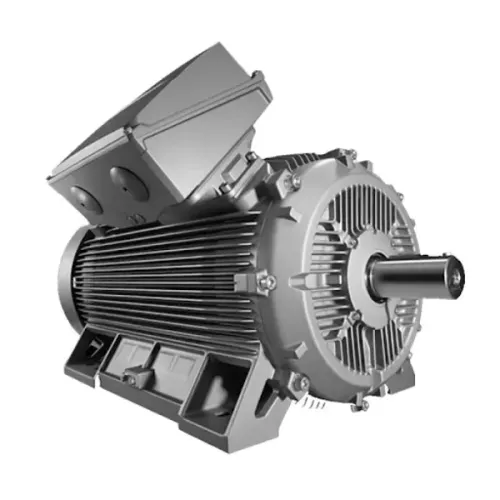
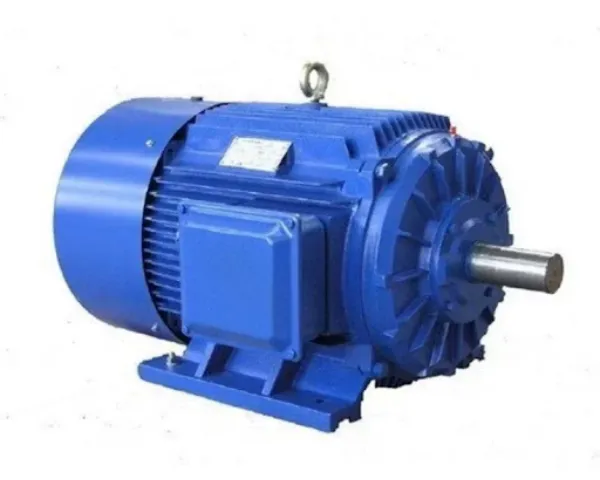
Verify frame dimensions, shaft diameter, shaft length, mounting orientation, flange dimensions where relevant, terminal box position, and coupling arrangement.
For replacement applications, these checks should ideally be completed before the existing motor is removed.
Determine the Starting Method
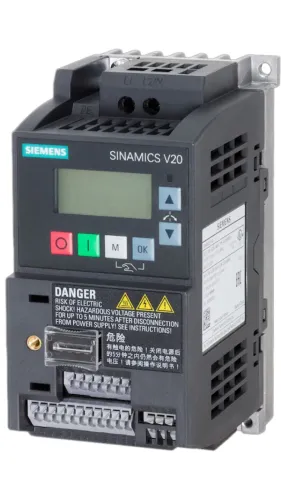
The motor may operate with a direct starter, star-delta starter, soft starter, or VFD.
This information can influence electrical selection and commissioning requirements.
Where a VFD is involved, specify the expected frequency range, speed profile, acceleration requirements, and load characteristics.
Consider the Operating Environment
Motor enclosures and protection requirements depend on site conditions.
A motor operating in a clean indoor environment may have different requirements from one exposed to textile dust, moisture, outdoor weather, high ambient temperatures, or other contaminants.
Cooling and ventilation should not be overlooked, particularly where equipment is installed in restricted spaces.
Evaluate Supplier Readiness
A technically focused supplier should be able to work from application information rather than asking only for motor power.
Procurement teams can improve enquiry quality by providing the existing motor details, machine application, quantity, duty, mounting arrangement, speed, control method, and site conditions.
Perfect Engineering Solutions serves industrial customers requiring electric motors, gearboxes, VFDs, control panels, and power transmission equipment. For businesses around Krishnagiri sourcing Kirloskar Electrical Motors, providing complete technical information at the enquiry stage can help narrow the requirement and reduce specification ambiguity.
Industrial motor purchasing works best when engineering and procurement decisions are connected. Price remains important, but electrical compatibility, mechanical fit, efficiency, duty, environment, starting method, and application requirements should be confirmed before an order is placed. A disciplined specification process can reduce avoidable installation changes and help the selected motor integrate more effectively with the existing machinery.
Keywords