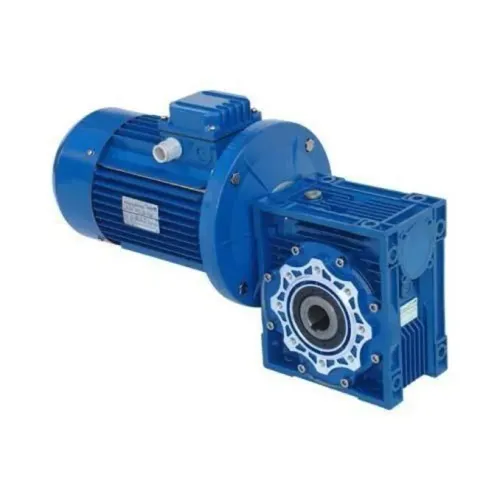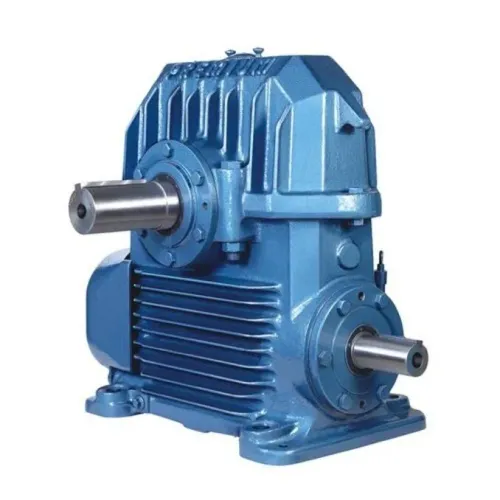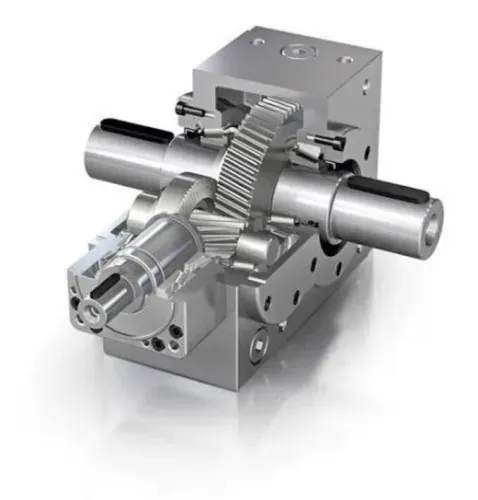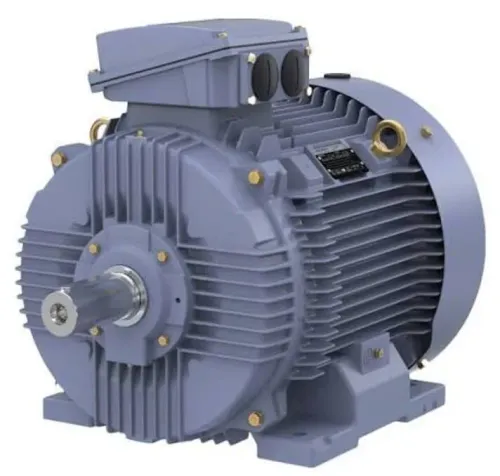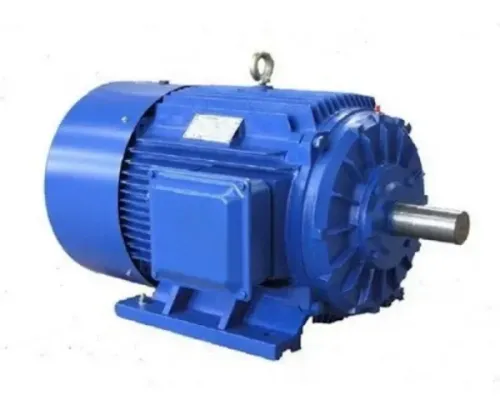
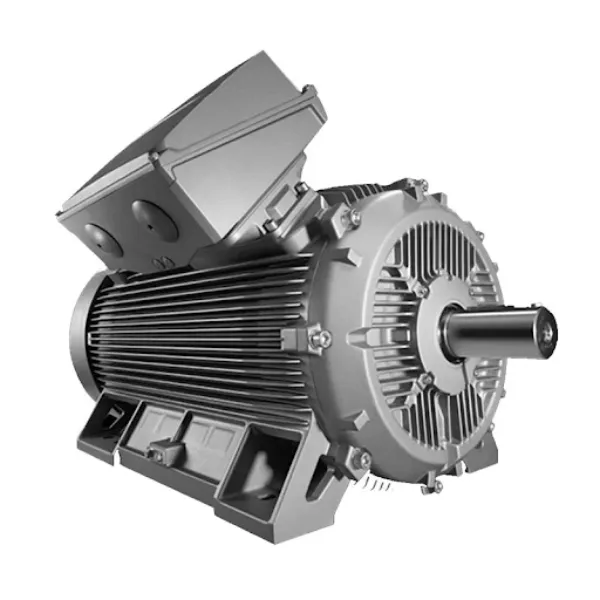
Electric motors account for a significant share of electricity use in many manufacturing facilities. Pumps, fans, compressors, conveyors, processing machines, and utility systems may operate for thousands of hours every year. For suitable applications, III Phase IE3 Motors can help businesses reduce motor-related electrical losses compared with lower-efficiency alternatives.
This is particularly relevant for manufacturing and process industries in Dharmapuri, Tamil Nadu, where lifecycle operating cost can be an important factor in equipment procurement.
What IE3 Efficiency Means
IE efficiency classifications provide standardized efficiency levels for applicable electric motors.
IE3 represents a premium efficiency class under the relevant international motor efficiency framework. Higher motor efficiency means a greater proportion of electrical input is converted into useful mechanical output, with a smaller proportion lost primarily as heat.
Actual efficiency varies according to motor rating and design, so the specific manufacturer's technical data should always be checked.
Where Higher Efficiency Has the Greatest Impact
The financial value of efficiency depends strongly on operating hours.
Consider two motors performing the same mechanical work. If one operates only occasionally, the annual energy-cost difference may be relatively small. If it operates continuously across multiple shifts, efficiency differences can accumulate over time.
Priority applications for evaluation often include:
- Process pumps
- Cooling fans
- Air handling systems
- Compressors
- Conveyors
- Production machines
- Utility equipment
Motors with long annual operating hours are usually stronger candidates for lifecycle energy analysis.
Avoid Oversizing the Motor
Buying a substantially larger motor than the application requires is not automatically safer.
Motors should operate within an appropriate loading range based on application requirements. Excessive oversizing can increase initial cost and may lead to less desirable operating characteristics.
Accurate load assessment should therefore be part of an efficiency upgrade.
Calculate Lifecycle Cost
Procurement teams can compare options using a straightforward approach.
Consider:
- Motor purchase price
- Rated efficiency
- Actual load
- Annual running hours
- Electricity tariff
- Expected operating life
- Maintenance conditions
This allows the business to estimate whether additional initial expenditure may be recovered through lower energy consumption over time.
Efficiency Is Only One Part of the System
Installing a high-efficiency motor does not automatically make the entire machine efficient.
Poorly sized pumps, restricted pipework, inefficient transmissions, worn bearings, excessive belt tension, misalignment, and unnecessarily high operating speeds can consume additional energy.
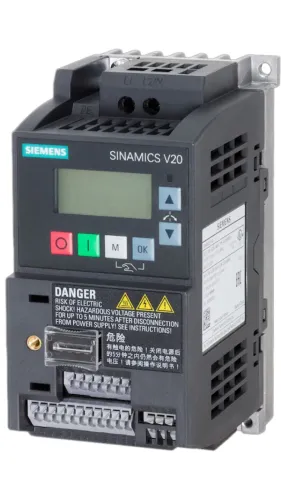
Where appropriate, VFD control can also be evaluated for applications with variable demand.
Perfect Engineering Solutions supplies industrial motors and associated drive solutions for manufacturing requirements. Plants around Dharmapuri considering III Phase IE3 Motors can benefit from reviewing existing motor loading and operating hours before deciding which machines should receive priority during an efficiency improvement program.
The strongest energy-efficiency projects consider the complete driven system. Correct motor sizing, efficient transmission, proper maintenance, suitable speed control, and realistic operating data together provide a clearer route to reducing unnecessary electrical consumption.
Keywords