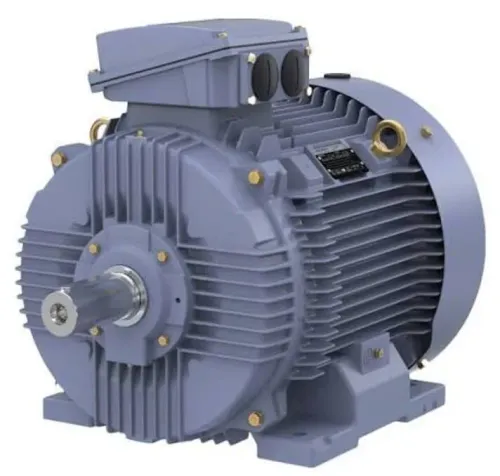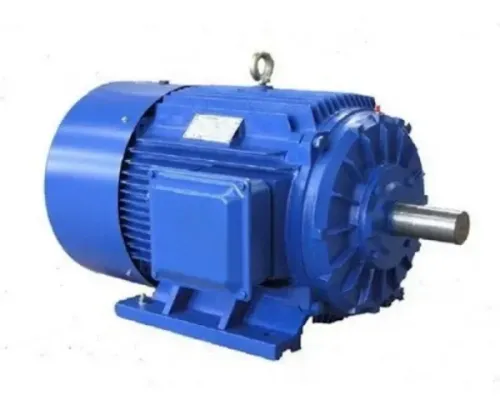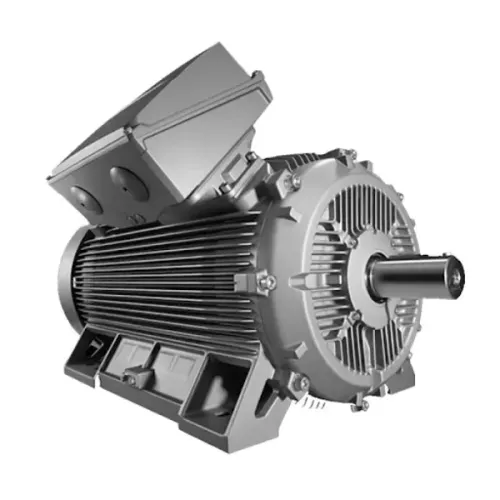
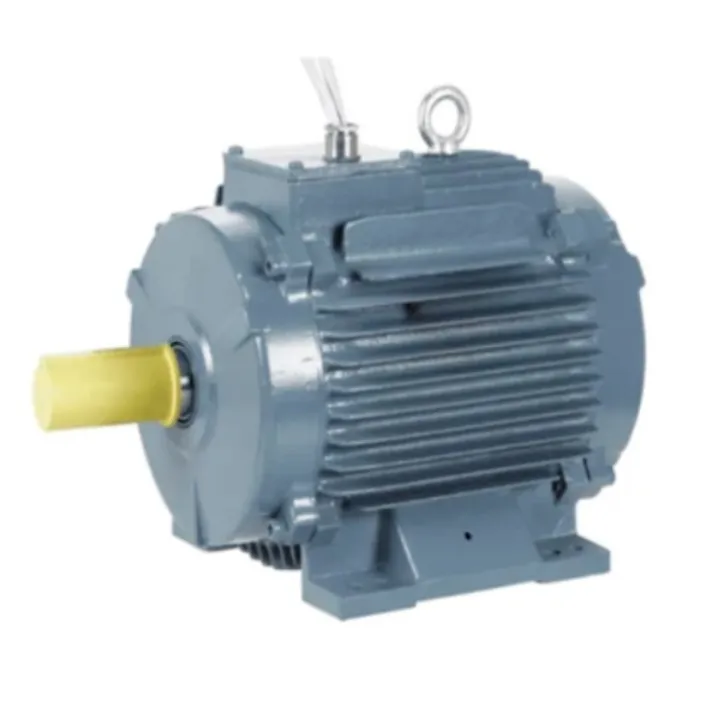
Replacing an industrial motor is rarely as simple as purchasing another unit with the same kilowatt rating. Maintenance teams must determine why the previous motor failed, whether operating conditions have changed, and whether the replacement will integrate correctly with the existing machine. These questions are important when evaluating a Havells Electric Motor for industrial applications.
Manufacturing companies in Erode, Tamil Nadu, particularly textile, processing, engineering, and supporting industries, often operate numerous motors across production equipment. A structured replacement process can reduce repeated failures and unnecessary downtime.
Start by Understanding the Existing Failure
If a motor has failed prematurely, immediately installing an equivalent replacement may reproduce the same problem.
Investigate possible causes such as:
- Persistent overload
- Voltage imbalance
- Single phasing
- Bearing problems
- Poor ventilation
- Excessive starts
- Misalignment
- Incorrect coupling
- Contamination
- Unsuitable VFD settings
Where possible, combine electrical observations with mechanical inspection.
Compare the Complete Nameplate
The existing nameplate provides essential information for replacement planning.
Check rated output, voltage, current, frequency, speed, efficiency class, power factor, insulation class, duty, enclosure protection, frame, and mounting details.
The new motor should be evaluated against the machine requirements rather than assuming that one matching specification guarantees compatibility.
Decide Whether the Existing Size Is Still Correct
Production requirements can change over time. A machine may have been modified, production capacity increased, or additional mechanical load introduced.
Measure or estimate actual loading where practical.
An overloaded motor can operate at excessive temperature and experience shortened insulation life. Conversely, substantial oversizing may result in unnecessary capital cost and less efficient operation at low load.
Consider Operating Cost Alongside Purchase Cost
For motors that run many hours per day, energy consumption can be a major lifecycle expense.
Suppose two technically suitable motors have different efficiency levels. Even a relatively small difference may become financially meaningful over thousands of operating hours.
Procurement teams should therefore compare:
- Purchase price
- Efficiency
- Expected operating hours
- Loading
- Maintenance requirements
- Expected service conditions
This creates a more useful evaluation than purchase price alone.
Check Compatibility With the Control System
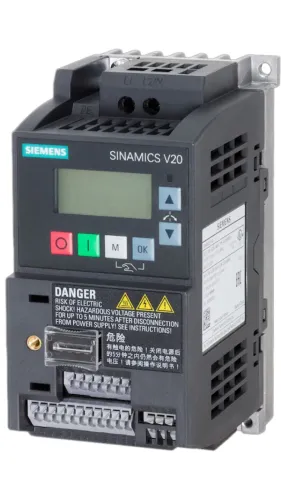
Replacement motors may operate with DOL starters, star-delta arrangements, soft starters, or VFDs.
For VFD-driven equipment, check the required operating frequency range, motor cooling, acceleration profile, torque demand, and drive configuration.
Mechanical dimensions should also be confirmed before removing the existing installation whenever possible.
Perfect Engineering Solutions works with industrial businesses requiring motors and related power transmission equipment. For maintenance teams around Erode considering a Havells Electric Motor, combining machine information with complete motor specifications can make replacement planning more precise.
The most appropriate replacement is not necessarily the closest catalogue match. It is the motor that fits the mechanical arrangement, meets the load and duty requirements, integrates with the electrical control system, and operates appropriately within the actual site environment.
Keywords