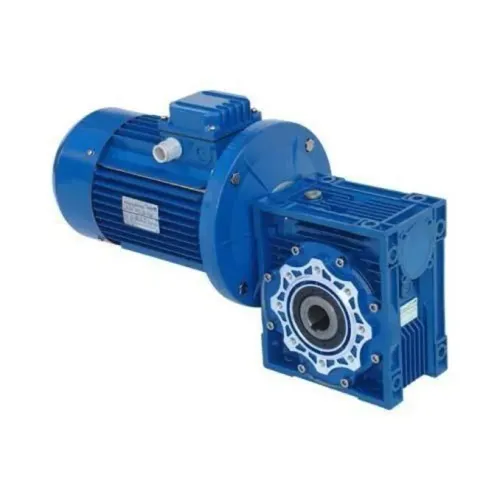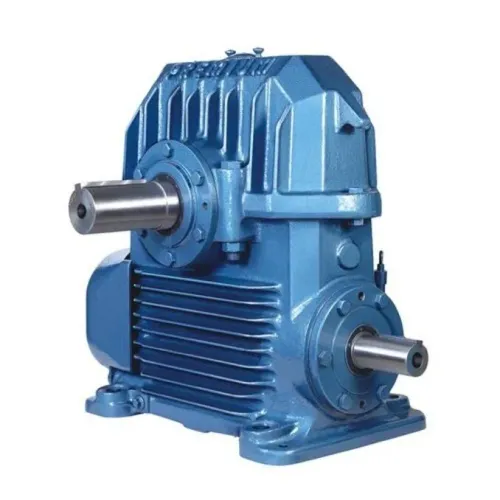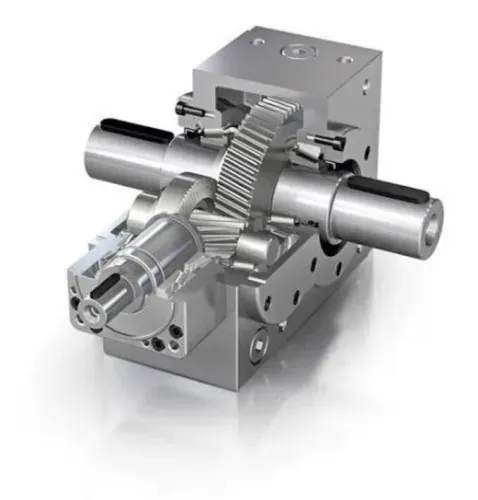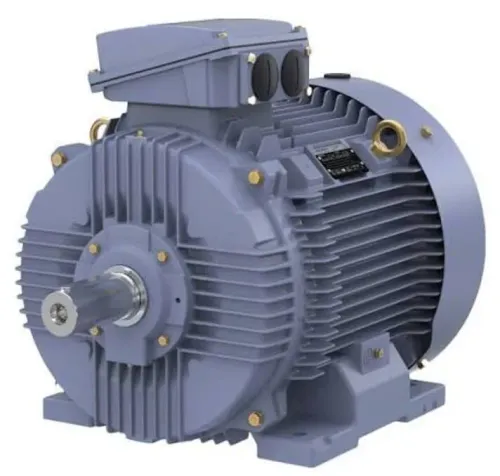
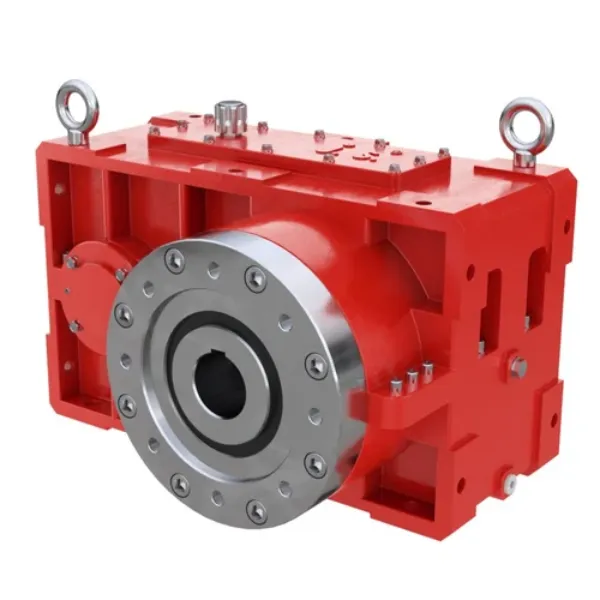
Extrusion lines place demanding mechanical loads on their drive systems. The gearbox must transfer motor power to the screw while handling substantial torque, continuous operation, thermal conditions, and process variations. Choosing an Extruders Gearbox therefore requires more detailed engineering than simply matching motor power and output speed.
For plastics and processing businesses in Salem, Tamil Nadu, careful gearbox selection can influence production stability, maintenance planning, and equipment reliability.
Start With Output Torque
Extrusion requires sufficient torque at the screw shaft to process material consistently.
The required torque depends on factors including screw design, material characteristics, throughput, operating speed, and process conditions.
A gearbox selected with insufficient torque capacity may experience excessive stress. Excessive oversizing, meanwhile, can increase cost and physical dimensions without necessarily providing operational value.
Understand Continuous Duty
Many extrusion lines operate for extended periods with limited shutdown opportunities. Continuous-duty conditions make thermal capacity and lubrication especially important.
The gearbox must be capable of dissipating heat generated during operation.
Ambient temperature, installation ventilation, operating speed, lubricant, and loading can all affect thermal performance.
Examine Thrust Load Requirements
Extruders can generate significant axial thrust as material moves through the screw and die.
This is one reason extrusion gearbox design differs from many ordinary industrial reduction applications.
The thrust-bearing arrangement should be evaluated according to the machine's expected axial load. Failure to account for thrust can place inappropriate loads on internal bearings and reduce service life.
Check Ratio and Screw Speed
Gearbox ratio determines how motor speed is reduced to the required screw speed.
Engineers should establish:
- Motor rated RPM
- Desired screw speed
- Required operating range
- Gear ratio
- Process speed variation
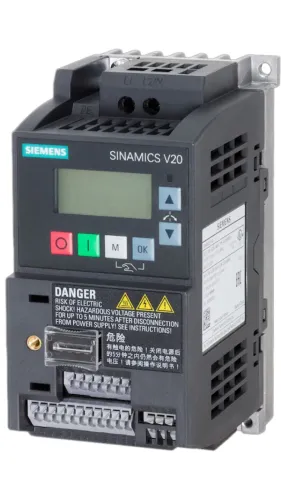
Where a VFD is used, the gearbox and motor should be evaluated across the intended frequency and speed range rather than only at nominal conditions.
Look at the Entire Mechanical Interface
Dimensional compatibility can become a major issue during replacement projects.
Before procurement, verify input arrangement, output shaft dimensions, mounting configuration, coupling, center height, available installation space, and lubrication access.
For replacement gearboxes, accurate drawings and measurements can prevent costly site modifications.
Avoid Selection Based Only on Price
The purchase price is visible immediately, while downtime and premature component failure appear later.
A more useful evaluation considers rated torque, service factor, thermal capacity, thrust capacity, efficiency, maintainability, expected operating hours, and availability of appropriate technical support.
Perfect Engineering Solutions works with industrial drive systems including motors, gearboxes, VFDs, and related power transmission equipment. For extrusion businesses around Salem assessing an Extruders Gearbox, providing process information and existing gearbox specifications allows the requirement to be evaluated against actual operating conditions.
A dependable extrusion drive starts with accurate application data. Torque, screw speed, axial thrust, duty cycle, thermal conditions, mounting dimensions, and motor control should all be reviewed together. This approach helps procurement and maintenance teams select equipment according to production requirements rather than relying on a single catalogue rating.
Keywords