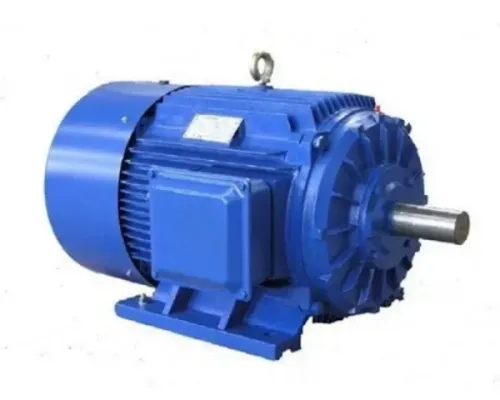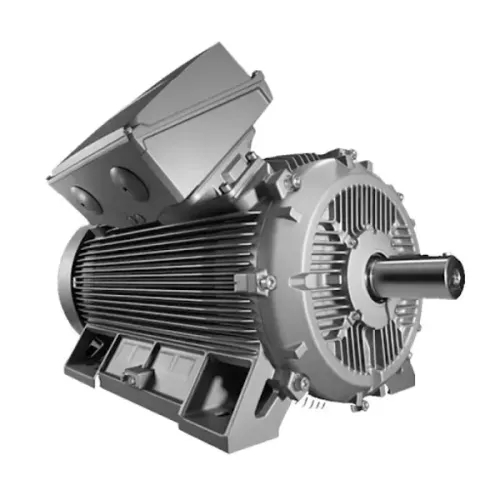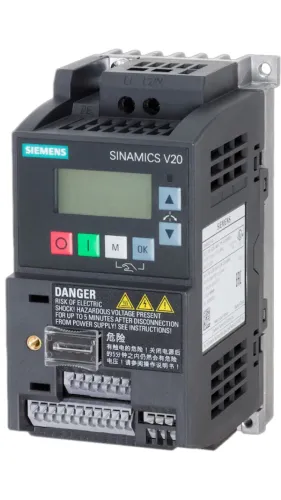
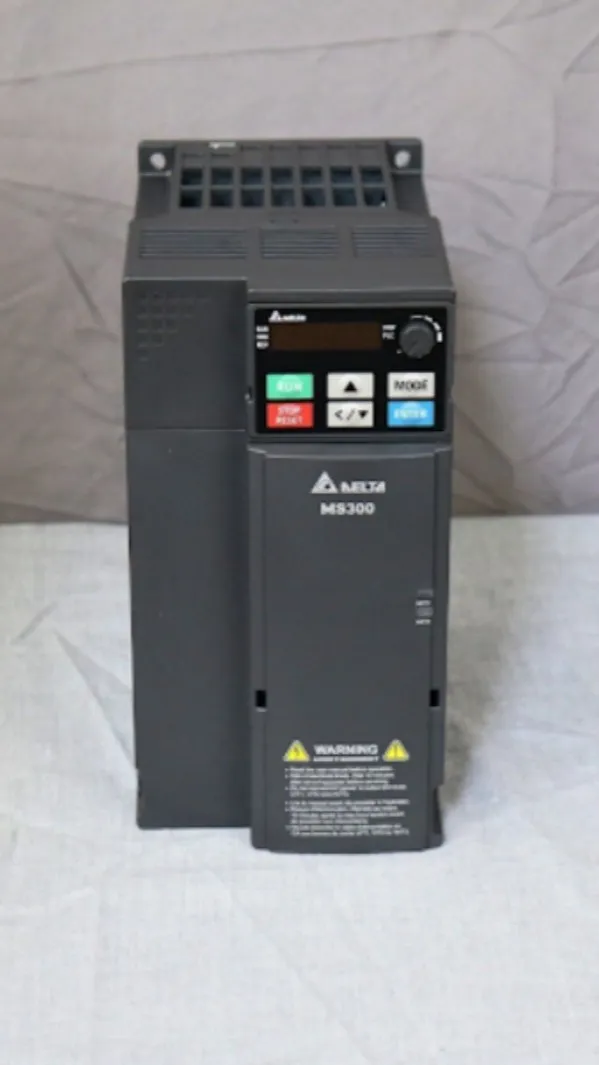
Many industrial machines do not need an electric motor to operate continuously at full speed. Pumps, fans, conveyors, mixers, textile equipment, and process machinery often have varying production requirements. A Delta VFD can provide controlled motor speed by varying the frequency and voltage supplied to a compatible AC motor.
For industrial facilities in Sivakasi, Tamil Nadu, where manufacturing operations can involve printing, packaging, processing, and supporting machinery, variable-speed control can provide practical operational benefits.
Understanding VFD Operation
A variable frequency drive converts incoming AC power and produces an output with adjustable frequency and voltage. Because the rotational speed of an AC induction motor is closely related to supply frequency, changing the output frequency allows the drive to regulate motor speed.
This provides more flexibility than applications where the motor simply operates at full speed whenever switched on.
Where Variable Speed Becomes Useful
Variable frequency control can be useful in applications including:
- Conveyors with changing production speeds
- Pumps requiring different flow rates
- Ventilation fans with variable airflow demand
- Mixers requiring different process speeds
- Textile machinery
- Packaging equipment
- Material handling systems
- Process equipment
However, suitability should always be evaluated according to motor characteristics and machine requirements.
Controlled Acceleration Can Reduce Mechanical Stress
Direct starting can create a rapid acceleration of the motor and connected mechanical system. Depending on the application, this may produce mechanical stress on belts, couplings, gears, and driven equipment.
A VFD can provide programmed acceleration and deceleration times.
Gradually bringing a conveyor to operating speed, for instance, can help reduce sudden mechanical loading compared with an abrupt start.
Energy Savings Depend on the Application
VFDs are frequently associated with energy efficiency, but savings should not be assumed for every installation.
The strongest opportunities often occur with variable-torque applications such as centrifugal pumps and fans. When these systems can operate at reduced speed during periods of lower demand, energy consumption may decrease substantially.
For constant-torque machinery, the economics can be different. Actual load profiles, operating hours, motor efficiency, production requirements, and existing control methods should therefore be evaluated before estimating savings.
Correct Selection Goes Beyond Motor Kilowatts
Selecting a drive only according to motor kW can result in an unsuitable installation. Engineers should also examine:
- Motor rated current
- Supply voltage
- Load characteristics
- Starting torque
- Required speed range
- Overload requirements
- Ambient temperature
- Installation enclosure
- Communication requirements
- Control method
Cable length, electromagnetic compatibility, harmonics, braking requirements, and panel ventilation may also affect the final system.
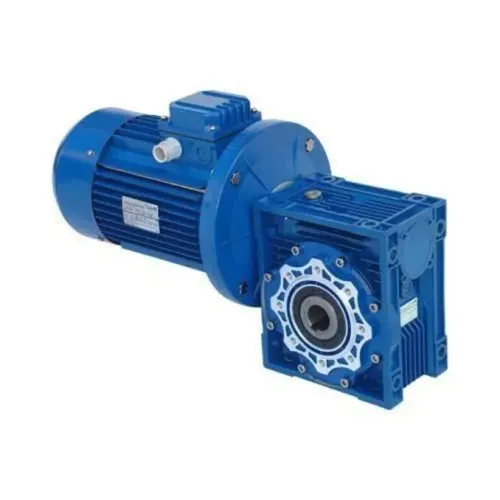
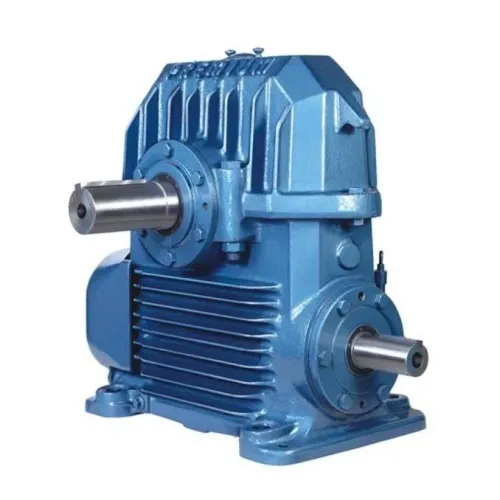
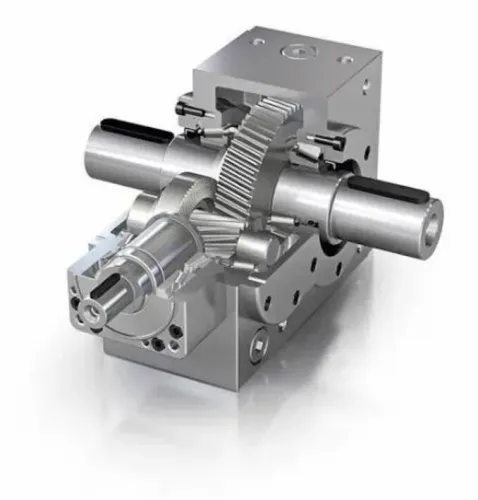
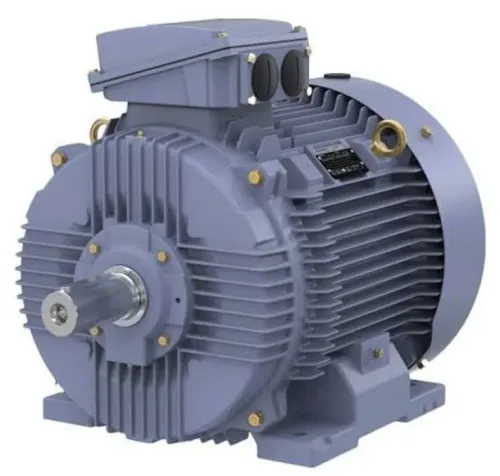
Perfect Engineering Solutions supports industrial customers with motors, drives, panels, gearboxes, and associated power transmission equipment. For plants around Sivakasi evaluating a Delta VFD, sharing motor nameplate information together with actual machine operating conditions provides a stronger basis for drive selection.
The key advantage of variable frequency control is not simply changing motor speed. When properly engineered, it gives operators better control over how the motor interacts with the process, helping equipment respond more closely to changing production requirements.
Keywords