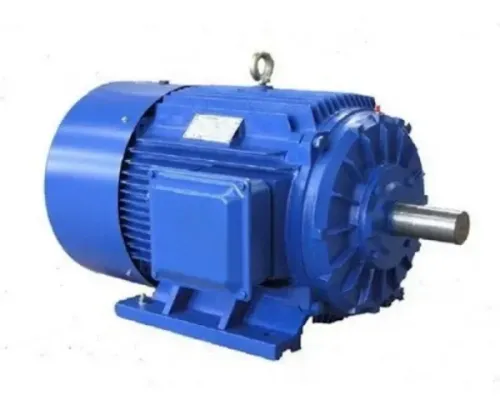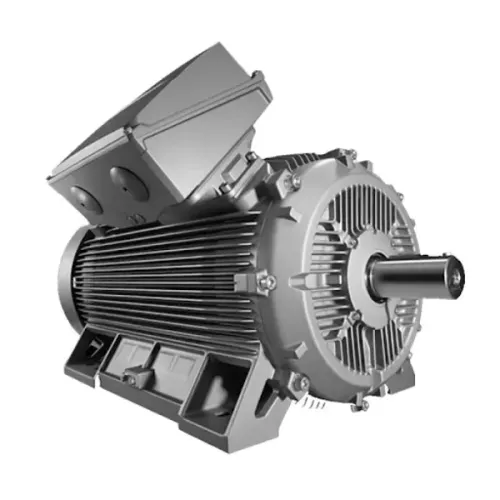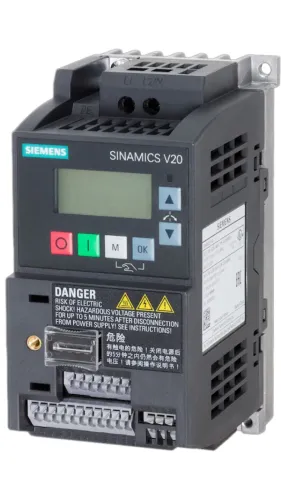
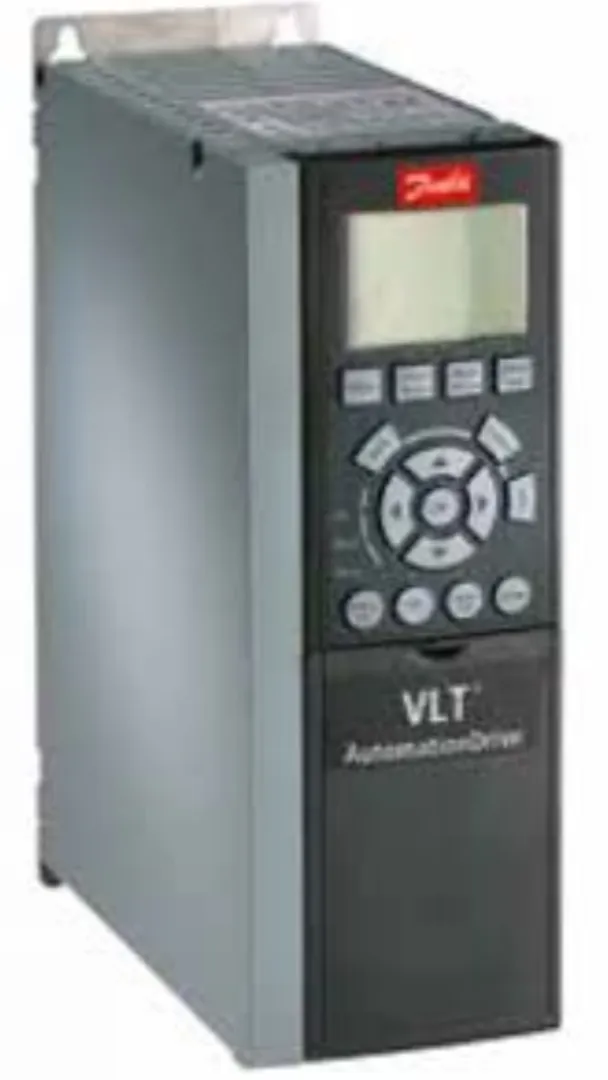
Pumps and fans are among the most common motor-driven systems in industrial facilities. In many installations, however, flow is controlled mechanically while the motor continues operating close to full speed. A properly selected Danfoss VFD can provide an alternative by adjusting motor speed according to process demand.
For process industries and manufacturing facilities in Namakkal, Tamil Nadu, variable-speed operation may be useful in water systems, cooling circuits, ventilation, process pumps, and utility equipment.
Mechanical Throttling and Variable Speed Control
Traditional flow control may use valves on pump systems or dampers on fans.
These methods can reduce process output without necessarily reducing motor speed. A VFD changes the motor operating speed itself.
For centrifugal equipment, reduced speed can significantly change flow, pressure, and power requirements. This makes variable-speed control particularly interesting when system demand changes throughout the day.
Energy Savings Need Real Operating Data
A VFD does not automatically guarantee a particular energy saving.
To evaluate potential ROI, collect information such as:
- Motor rating
- Operating hours
- Current loading
- Required flow profile
- Existing control method
- Electricity cost
- Percentage of time at reduced demand
A continuously full-load process may offer a different financial case from a fan that spends much of the day at partial airflow.
Process Control Can Be Equally Important
Energy efficiency is only one reason to use a VFD.
Variable-speed control can help maintain process variables such as pressure, flow, level, or temperature when integrated with suitable sensors and control logic.
For example, a pressure transmitter can provide feedback to a drive-controlled pump system. The drive can then adjust motor speed according to the configured control strategy.
Check Motor and Drive Compatibility
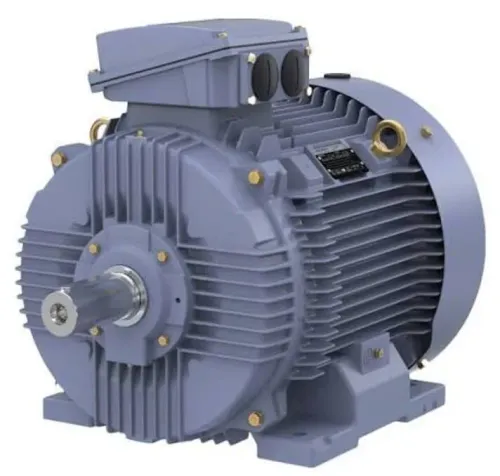
Drive selection should consider rated motor current rather than relying exclusively on motor kW.
Supply voltage, overload requirement, motor type, cable length, ambient conditions, enclosure, switching frequency, harmonics, and electromagnetic compatibility may also influence the installation.
Where multiple motors, bypass arrangements, braking, or communication networks are involved, additional engineering may be required.
Evaluate the Existing Mechanical System
Installing a drive cannot correct every system-level problem.
Blocked filters, incorrectly sized pumps, damaged impellers, poor duct design, leaking pipes, worn bearings, and unsuitable control valves can all reduce system performance.
A sensible improvement project therefore evaluates both electrical and mechanical conditions.
Perfect Engineering Solutions provides industrial motor control and power transmission solutions for manufacturing requirements. Facilities around Namakkal considering a Danfoss VFD can improve selection accuracy by documenting the existing motor, operating profile, process variable, control method, and expected speed range before specifying the drive.
Variable-speed control is most effective when it is engineered around the actual process. By combining appropriate drive sizing with motor compatibility, process feedback, realistic energy calculations, and correct commissioning, industrial pump and fan systems can respond more closely to changing production demands.
Keywords