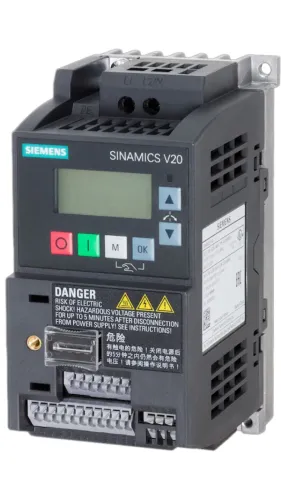
Industrial facilities depend on stable and organized electrical distribution to keep machinery, production lines, utilities, and supporting systems operating efficiently. As plants expand and additional equipment is installed, managing electrical loads through an appropriately designed Power distribution panel becomes increasingly important.
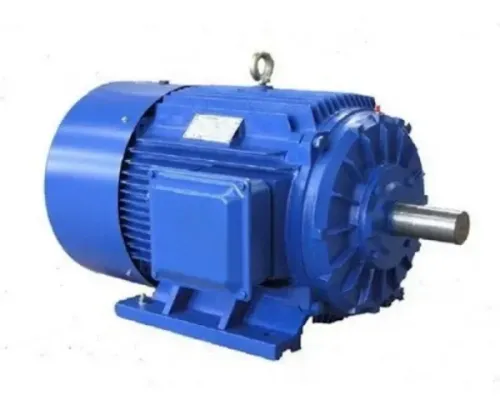
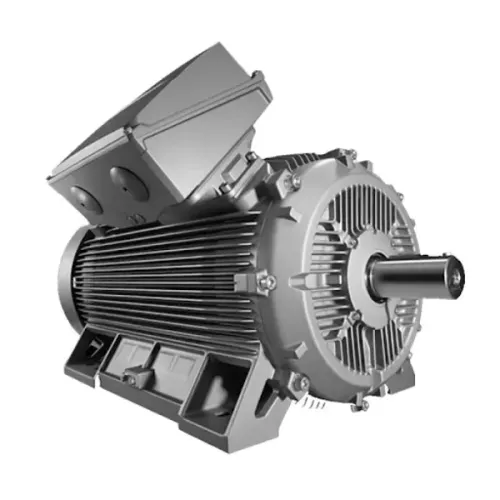
For manufacturing units in Tirunelveli, Tamil Nadu, electrical distribution planning is particularly relevant for facilities operating motors, pumps, compressors, processing machines, conveyors, and automated production equipment.
What Does a Power Distribution Panel Do
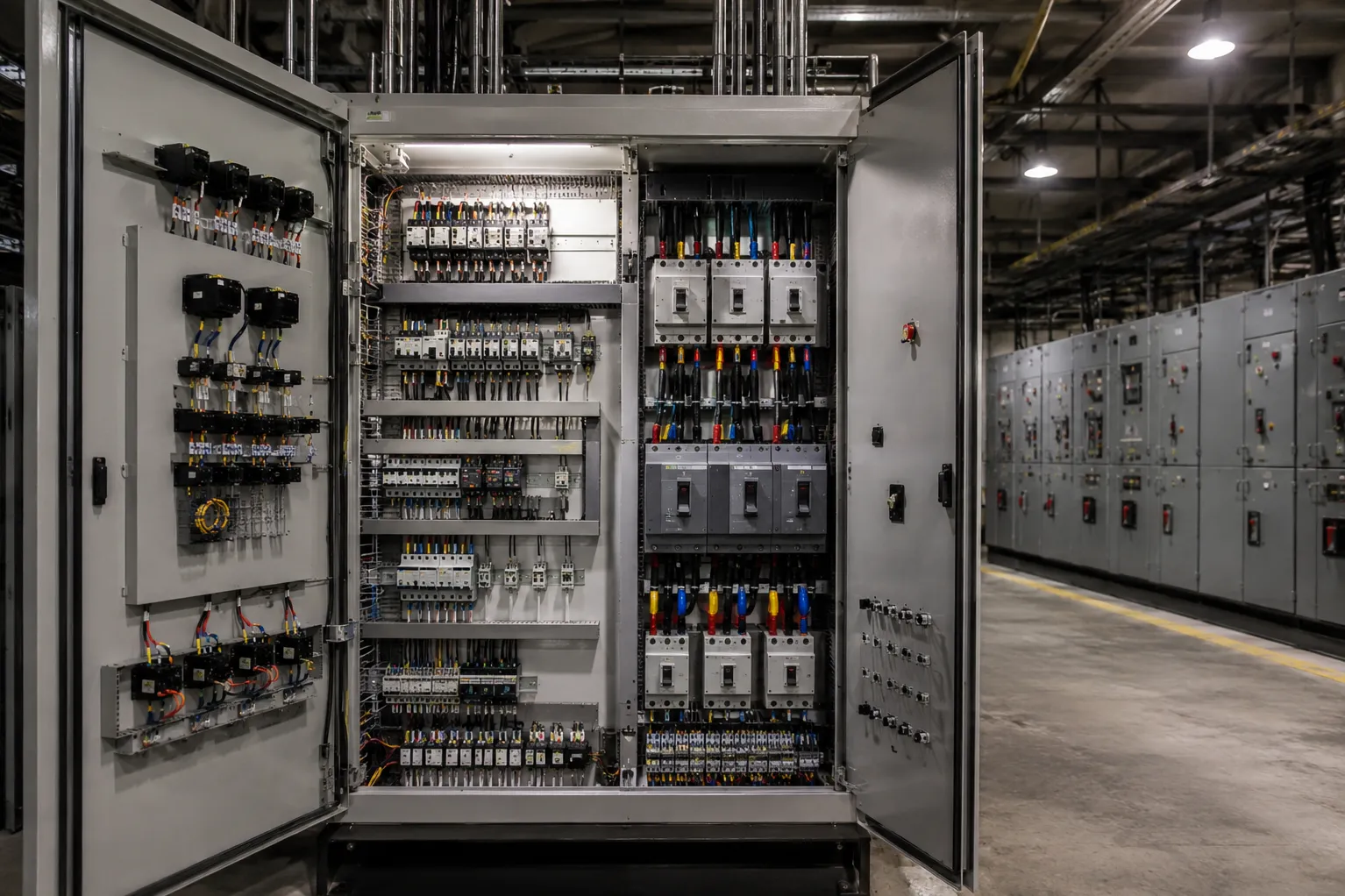
A power distribution panel receives incoming electrical power and distributes it across multiple outgoing circuits. Instead of allowing individual machines to draw power through disconnected arrangements, the panel creates a structured distribution point.
Depending on the application, the panel may incorporate:
- MCCBs and MCBs
- Busbars
- Isolators
- Contactors
- Protective relays
- Metering equipment
- Indication devices
- Surge protection
- Earthing provisions
The exact configuration should be determined according to connected loads, operating conditions, fault levels, expansion requirements, and applicable electrical standards.
Why Industrial Load Planning Matters
A panel should not simply be selected according to the present connected load. Engineers also need to understand how machines operate.
Several motors starting simultaneously, for example, can create different electrical demands compared with equipment operating continuously at steady load.
Proper planning considers factors such as:
- Connected and maximum demand
- Motor starting characteristics
- Load diversity
- Short-circuit protection
- Cable capacity
- Future equipment additions
- Maintenance accessibility
Ignoring these factors can lead to unnecessary trips, overheating, difficult troubleshooting, and limited capacity when production requirements increase.
Separation Makes Maintenance Easier
Well-organized electrical distribution also helps maintenance teams isolate specific circuits without unnecessarily disturbing unrelated equipment.
For a factory containing multiple production sections, separating loads into logical feeders can make fault identification considerably easier. Clear identification and organized wiring also reduce confusion during scheduled maintenance.
This becomes valuable in industrial environments where maintenance windows may be limited and technicians need to identify circuits quickly.
Protection Is a Key Part of Panel Design
Industrial panels need suitable protection against electrical faults. The type and rating of protective devices depend on the installation rather than a universal specification.
Protection planning may address overloads, short circuits, earth faults, phase abnormalities, and voltage-related conditions.
The enclosure itself also matters. Dust, moisture, temperature, installation location, ventilation, and accessibility should be considered when determining enclosure construction and ingress protection requirements.
Planning for Future Expansion
Factories frequently add machinery after the original electrical infrastructure has been commissioned. A panel designed with appropriate spare capacity can simplify future modifications.
That does not mean installing excessive unused capacity. It means evaluating realistic expansion plans and providing practical provisions where justified.
Manufacturing companies around Tirunelveli can benefit from documenting current loads and anticipated equipment additions before finalizing a new panel.
Perfect Engineering Solutions works with industrial customers requiring electrical and power transmission solutions for manufacturing applications. For businesses evaluating a new distribution arrangement, providing accurate motor ratings, equipment details, operating patterns, and future expansion requirements helps engineers determine a more suitable configuration.
A properly planned Power distribution panel ultimately contributes to organized electrical distribution, practical maintenance, appropriate circuit protection, and easier expansion. Treating the panel as part of the plant's overall electrical system rather than a standalone enclosure leads to better engineering decisions.
Keywords