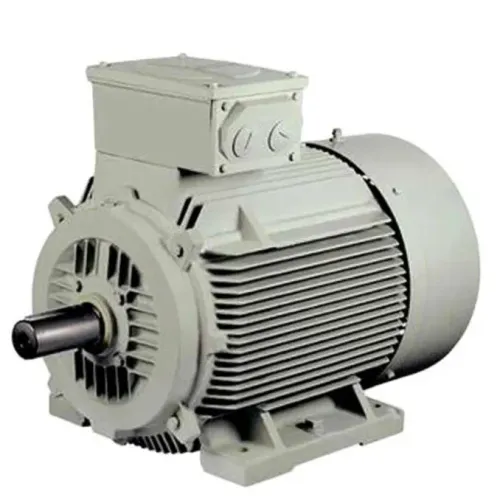
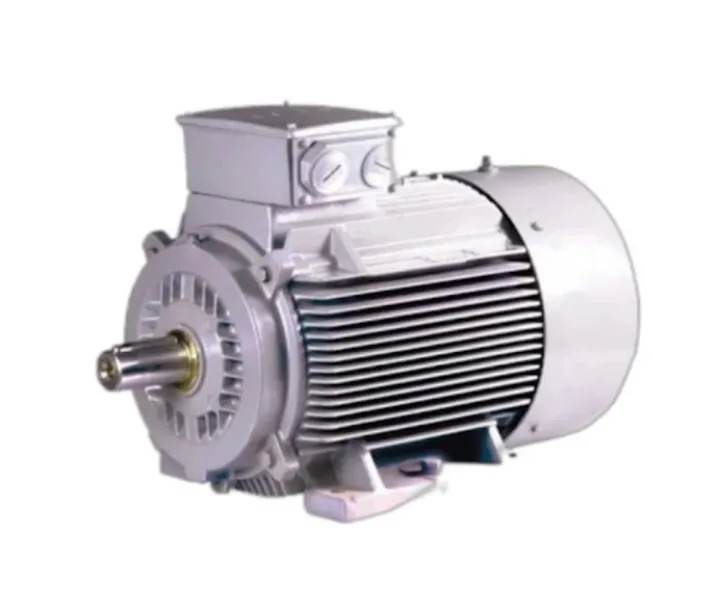
Electric motors are fundamental components in pumps, conveyors, compressors, machine tools, processing systems, and automated machinery. Yet motors that appear similar in power rating can perform very differently once installed. Choosing a Siemens Electric Motor therefore requires consideration of the complete application rather than horsepower or kilowatt rating alone.
This is especially important for engineering and process industries in Pollachi, Tamil Nadu, where motors may operate under varied load, environmental, and duty conditions.
Begin With the Driven Equipment
The first question should be what the motor is expected to drive.
A centrifugal pump has different torque characteristics from a loaded conveyor. A fan behaves differently from an extruder, crusher, mixer, or positive displacement pump.
Understanding the driven machine helps establish:
- Required power
- Starting torque
- Running torque
- Speed
- Acceleration characteristics
- Duty cycle
- Overload conditions
These parameters form the foundation of appropriate motor selection.
Check Supply Characteristics
The available electrical supply must match the selected motor and starting arrangement.
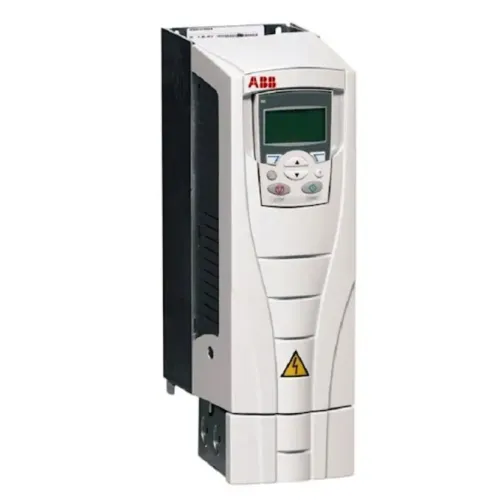
For three-phase industrial installations, engineers need to verify rated voltage, frequency, connection arrangement, and compatibility with the intended starter or variable frequency drive.
Voltage variations and plant electrical conditions can also influence motor performance.
Consider the Operating Environment
A motor operating inside a clean machine room faces different conditions from one installed near dust, moisture, heat, chemicals, or outdoor exposure.
Important environmental considerations include ambient temperature, altitude, ingress protection, ventilation, and potential contamination.
Ignoring the installation environment may shorten equipment life even when the electrical rating is technically correct.
Efficiency Matters Over the Operating Life
Industrial motors can operate for thousands of hours each year. Consequently, electricity consumption can represent a substantial portion of lifetime motor cost.
Higher-efficiency motors may help reduce electrical losses, particularly in continuously operating applications. The economic impact depends on motor loading, operating hours, electricity costs, and overall system efficiency.
Efficiency should therefore be evaluated alongside purchase cost rather than treated as an isolated specification.
Review Starting and Speed Control Requirements
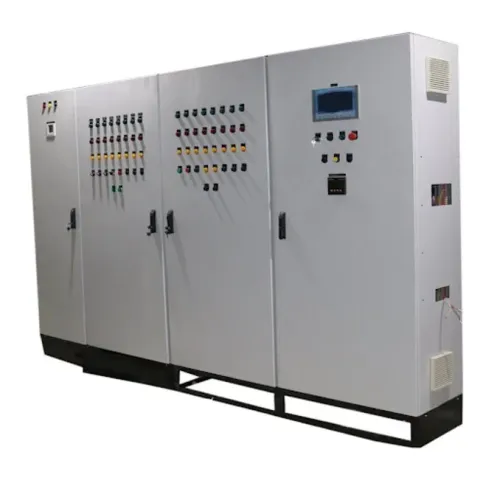
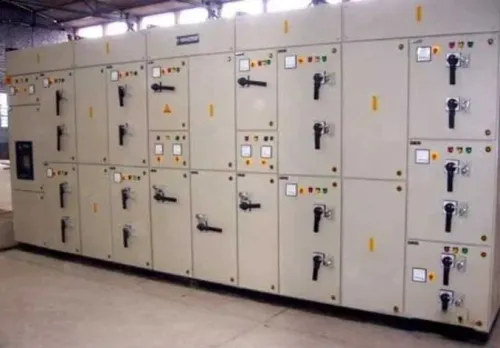
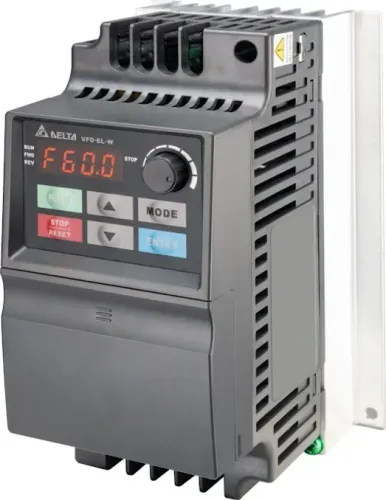
Some applications can operate with conventional direct-on-line or star-delta starting. Others may benefit from a soft starter or VFD.
When a motor will operate through a VFD, engineers should consider the required speed range, cooling at lower speeds, insulation requirements, cable arrangement, and driven-machine characteristics.
Mechanical compatibility is equally important. Frame size, shaft dimensions, mounting orientation, coupling arrangement, and available installation space should be checked before procurement.
Perfect Engineering Solutions supplies industrial motor and power transmission solutions for manufacturing and engineering requirements. Businesses around Pollachi evaluating a Siemens Electric Motor can make selection more accurate by providing motor nameplate data when replacing existing equipment or complete machine parameters for a new installation.
Motor selection is ultimately an engineering exercise. Matching electrical characteristics, mechanical dimensions, operating environment, load behaviour, efficiency requirements, and control method can help create a motor system that is better aligned with actual production demands.
Keywords